If you search "landscape designer vs DIY," almost every result is written by a landscaping company (who would like to be hired) or a quote-matching site (who would like to send you to one). Neither is wrong, exactly — but neither is neutral. Here's the honest version: what a designer actually does, when a pro beats DIY, and the one cheap step that makes the decision easier either way.
The choice isn't really "DIY or hire a pro"
The question that actually matters is smaller: for this yard, is the money and risk of a professional plan justified? A few new beds along the front walk is a completely different decision than regrading a sloped backyard.
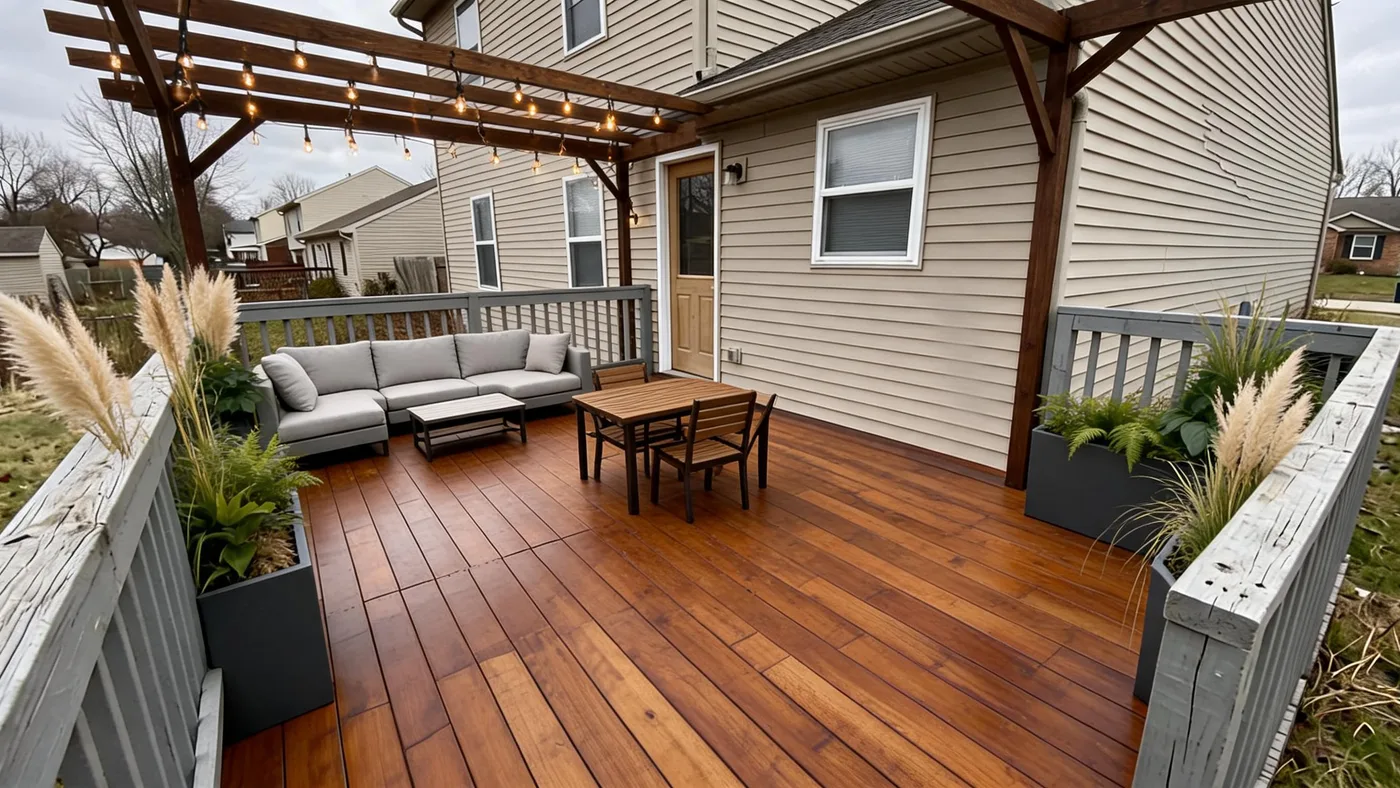
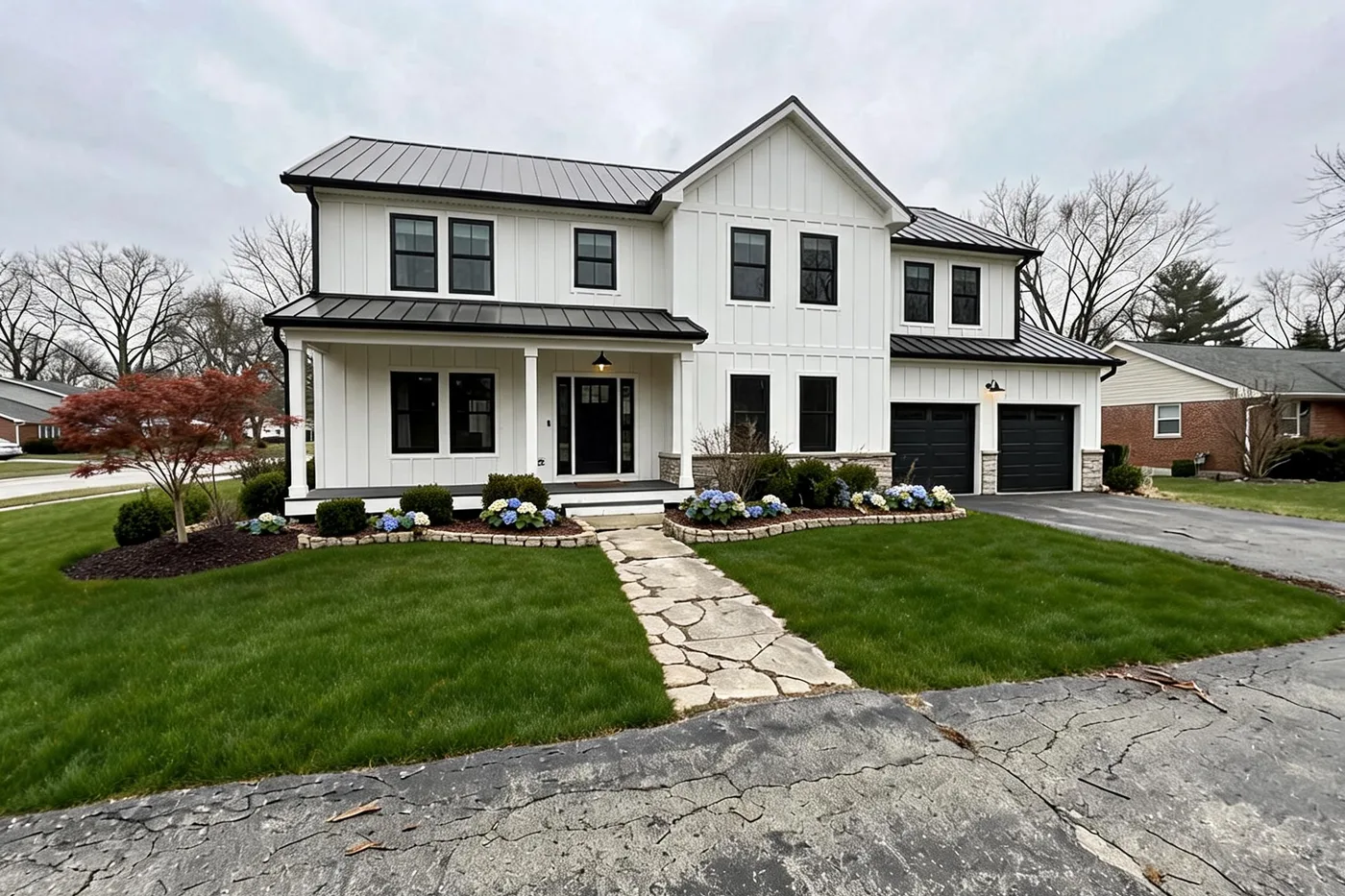
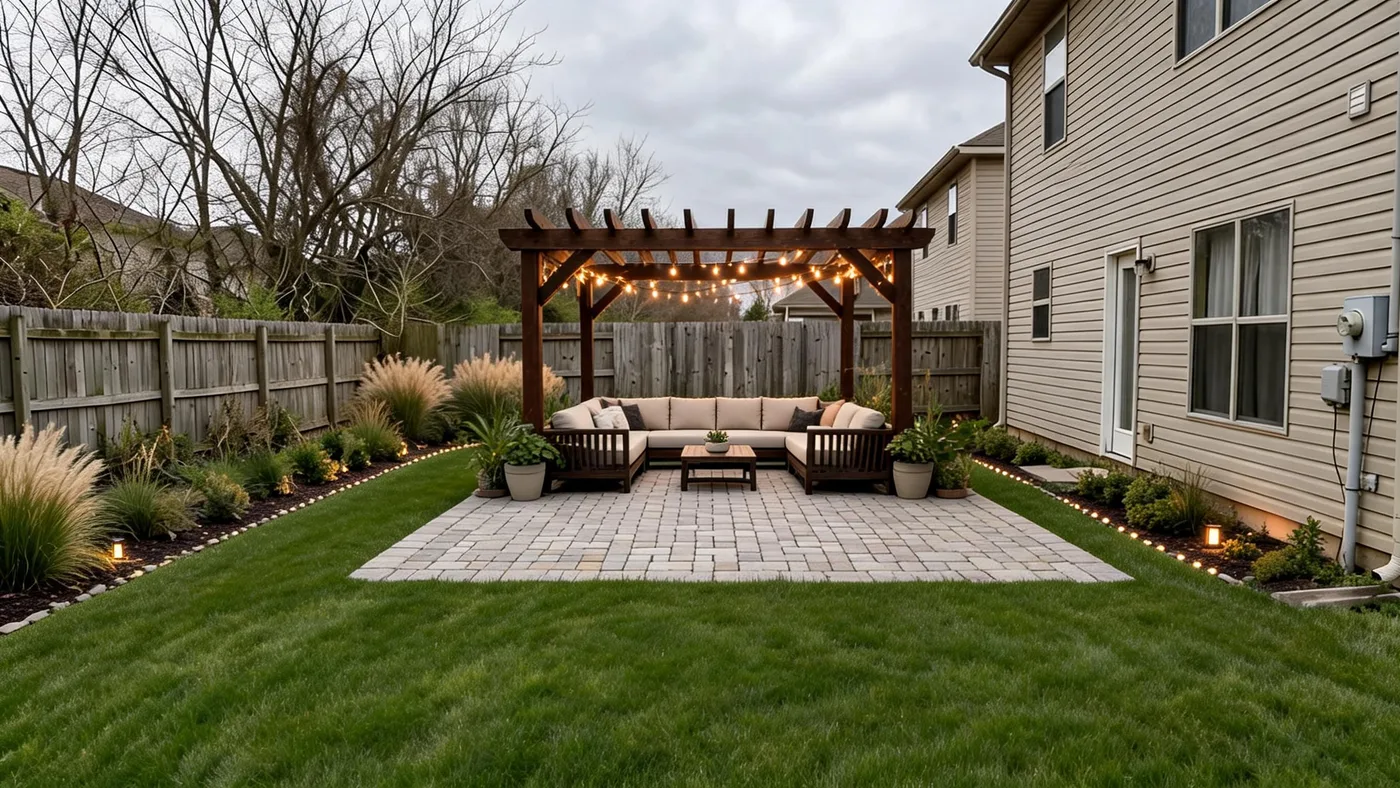
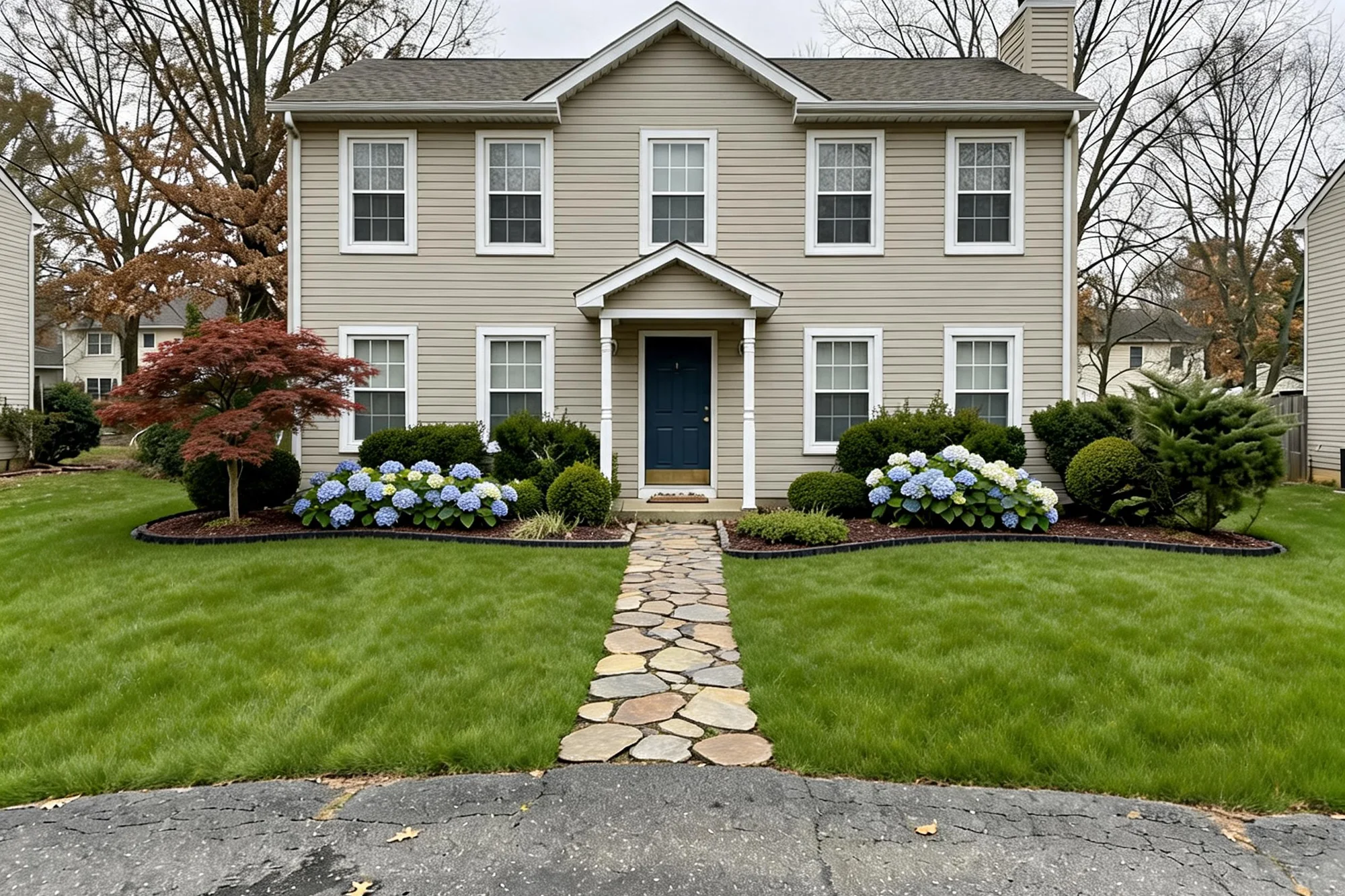
And there's a step almost every guide skips. Before you commit to either path, you can see your yard redesigned — which turns an abstract "should I hire someone?" into a concrete "do I like this enough to build it, and can I build it myself?"
What a landscape designer actually does
It helps to know what you're buying. A designer isn't just handing you a pretty drawing — a typical engagement runs through:
- Site analysis — reading your sun, soil, slope, drainage, and how you actually use the space.
- Concept and layout — where beds, paths, seating, and focal points go, and the overall style direction.
- Planting plan — specific plants chosen for your conditions and placed to be in scale in a few years, not just on day one.
- Materials and hardscape spec — what the patio, walls, and paths are made of and where they sit.
- Phasing and budget guidance — the order to build in, and what to expect to spend.
Most of that value is invisible on the finished drawing. You're really paying for judgment — the decisions that keep you from planting the wrong thing in the wrong place or pouring a patio you'll regret.
What it costs
Real numbers help. Per Angi's 2026 data:
- Designers commonly charge $50 to $150 an hour.
- Most homeowners pay roughly $1,900 to $7,300 for design work.
- A standalone design plan can run $300 to well over $6,000, depending on the size and detail of the yard.
That's design only — the plan and plant selections. Installation (plants, hardscape, labor) is separate and usually the much larger number. See what landscaping costs in 2026 for the build side.
When DIY makes sense — and when it doesn't
DIY is a reasonable call when:
- The yard is small or flat.
- The work is planting beds, mulch, edging, or simple borders.
- You're happy to build it in stages over a few seasons.
- The budget is low enough that a mistake is annoying, not painful.
Front-yard curb-appeal upgrades are the classic DIY win — see 10 curb-appeal ideas for the highest-return, lowest-risk moves.
Bring in a pro when:
- There's slope, drainage, grading, or a retaining wall involved.
- You're adding irrigation or serious hardscape.
- The budget is big enough that guessing wrong really hurts.
- You simply don't have the time.
| DIY | Landscape designer | |
|---|---|---|
| Typical cost | Materials only | $1,900–$7,300 for design |
| Best for | Small, flat, simple, staged | Large, sloped, complex, higher budget |
| Biggest risk | Buying a look that turns out wrong | Paying for more plan than you need |
| Timeline | Your pace, often seasons | A few weeks for a plan |
The middle path: get the plan, build it yourself
It's not all-or-nothing. A common approach is to get a design — from a pro, or by previewing the look yourself — and then install it yourself in stages over time. You get an expert direction to build toward without paying for full-service installation, and you control the pace and the spend. For a lot of homeowners this is the sweet spot.
Designer, architect, or landscaper — which do you need?
The titles get used loosely. In practice:
- Landscape designer — planting plans, layout, and aesthetics. Covers most homeowner projects.
- Landscape architect — licensed, and the right call for structural work: grading, drainage, retaining walls, and permits on larger or sloped sites.
- Landscaper / contractor — does the installation, and may or may not design.
If your project is planting and light hardscape, a designer (or a solid DIY plan) is enough. Save the architect for when the ground itself has to move.
How to find and vet a landscape designer
Once you've decided a pro is worth it, a good one is worth finding. Look for referrals from neighbours whose yards you like, ask at local nurseries, and check professional associations like the APLD. Then vet before you commit:
- Look at their portfolio. Do their past yards match what you want — in style, size, and budget? A designer who mostly does grand estates may not fit a modest front yard.
- Check references and reviews, and ask to speak to a recent client.
- Ask what the fee includes — revisions, a planting plan, a materials spec — and whether they design only or also install.
- Confirm they design for your climate and region, so the plants actually survive.
- Ask how they charge: hourly, a flat fee, or a percentage of the build.
One thing makes every one of these conversations shorter and cheaper: walking in with a clear picture of what you want. Preview your yard first and you arrive with a target instead of a blank page — which means faster, more comparable quotes.
The step most people skip: see it first
Whether you lean DIY or pro, the cheapest thing you can do is look before you leap. Upload one photo of your yard and get it redesigned in seconds — the redesign is the landscape, not the house. Now you have a target: DIY it in stages, or hand a designer a clear picture instead of paying them to guess what you want.
A 30-second gut check
Run your yard through three questions: Is it flat and simple? Is the budget small enough that a mistake wouldn't sting? Do I actually enjoy this kind of project? Three yeses lean DIY. Any "no" on the first two — especially slope, drainage, or a big spend — is where a designer earns their fee.
Either way, start by seeing it. A free preview costs you nothing and makes every next decision — DIY, pro, or somewhere in between — a lot less of a gamble.