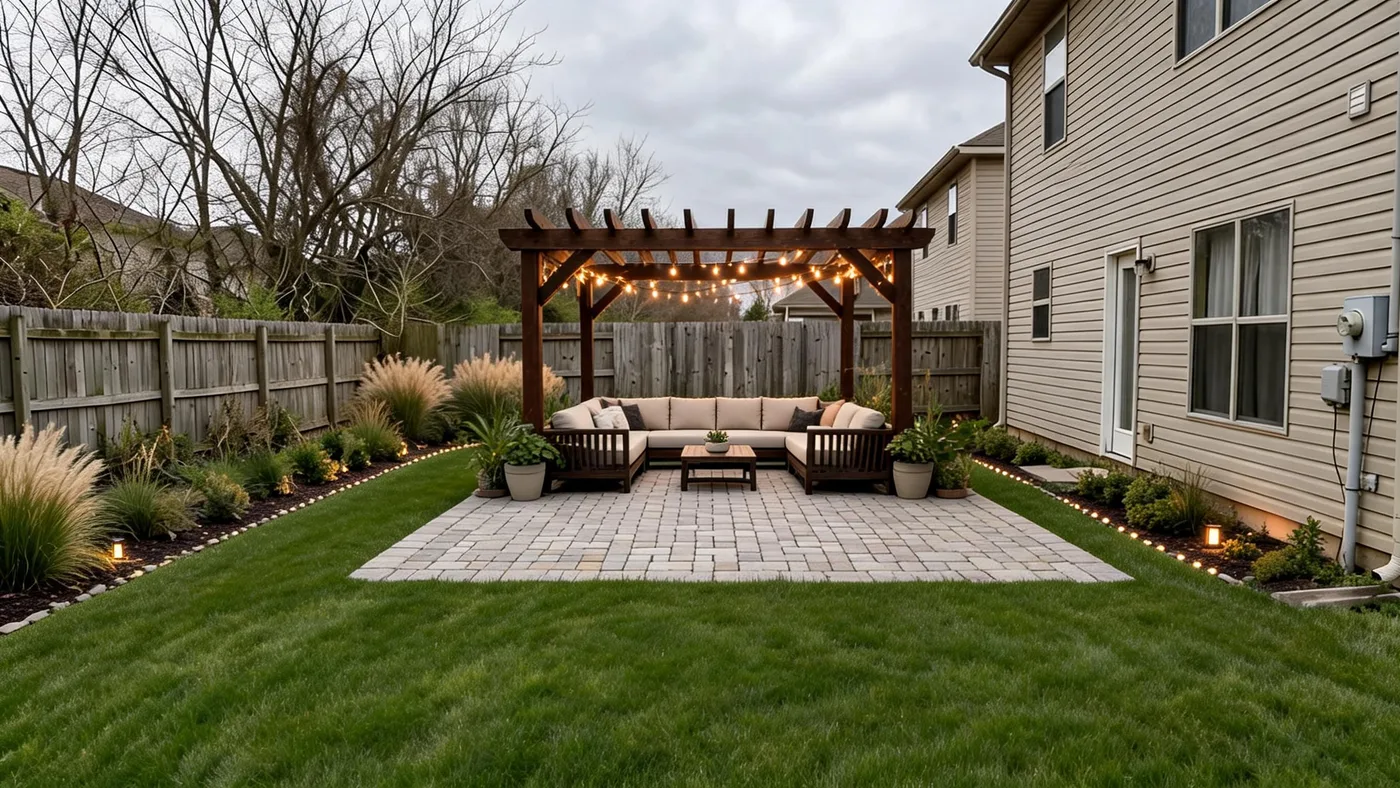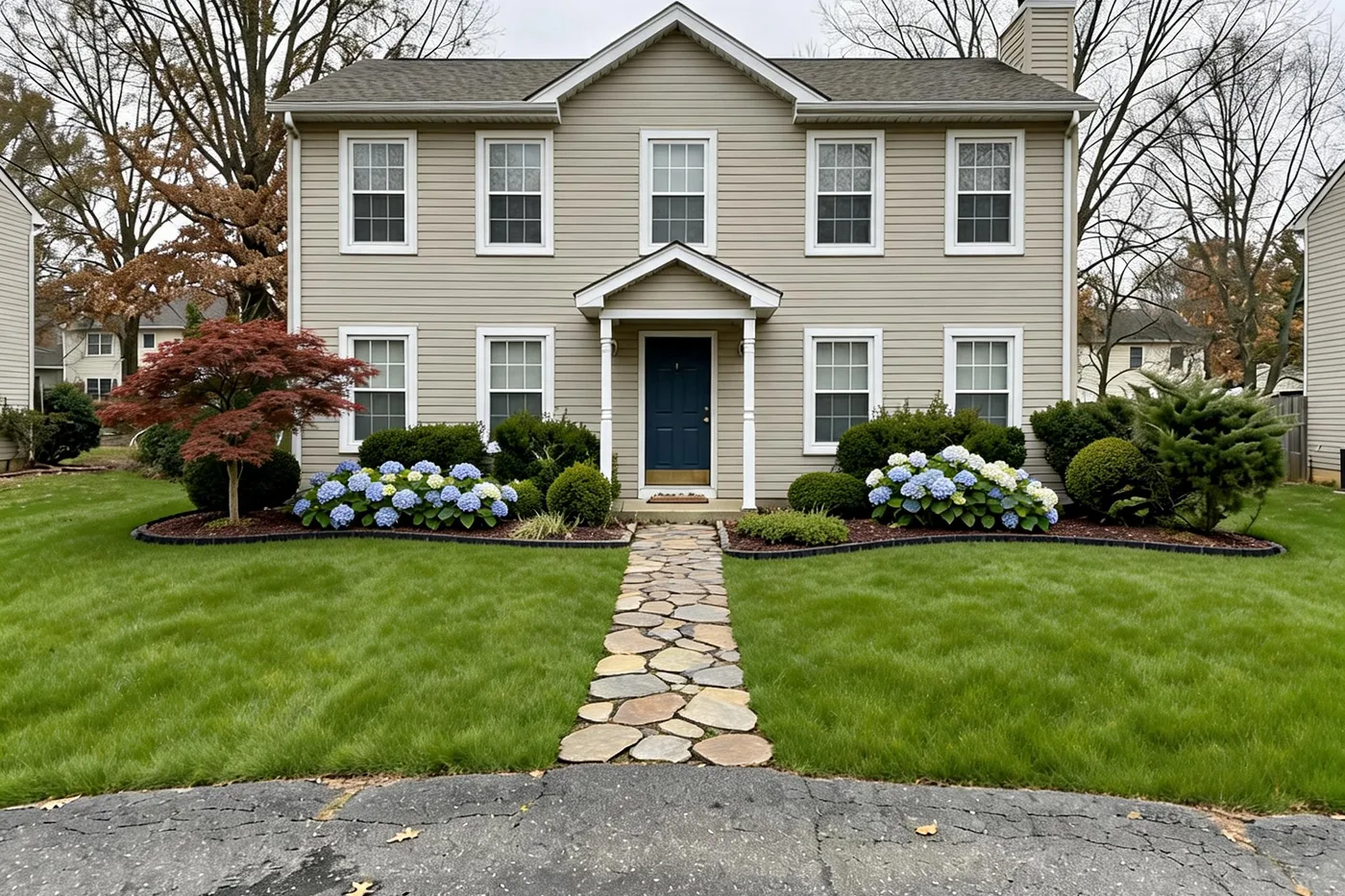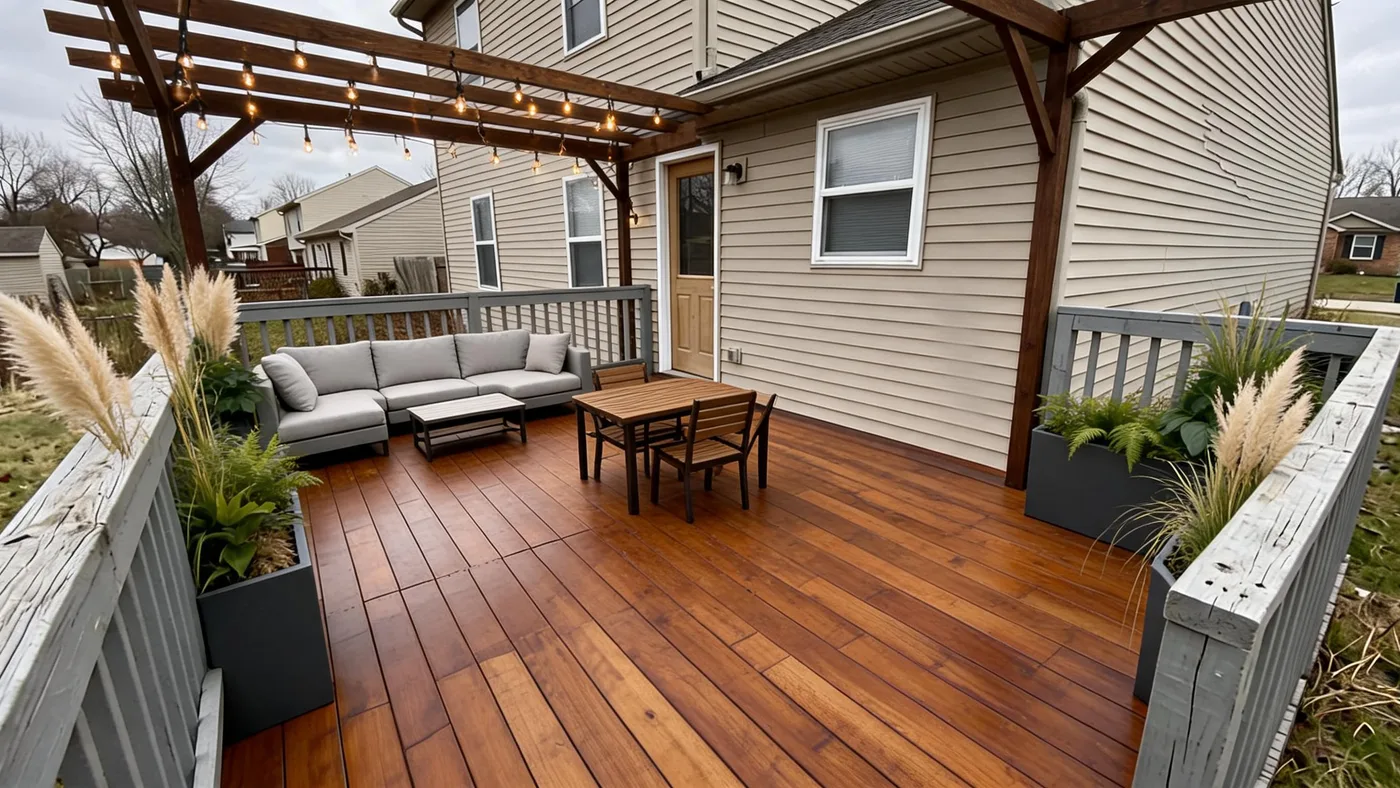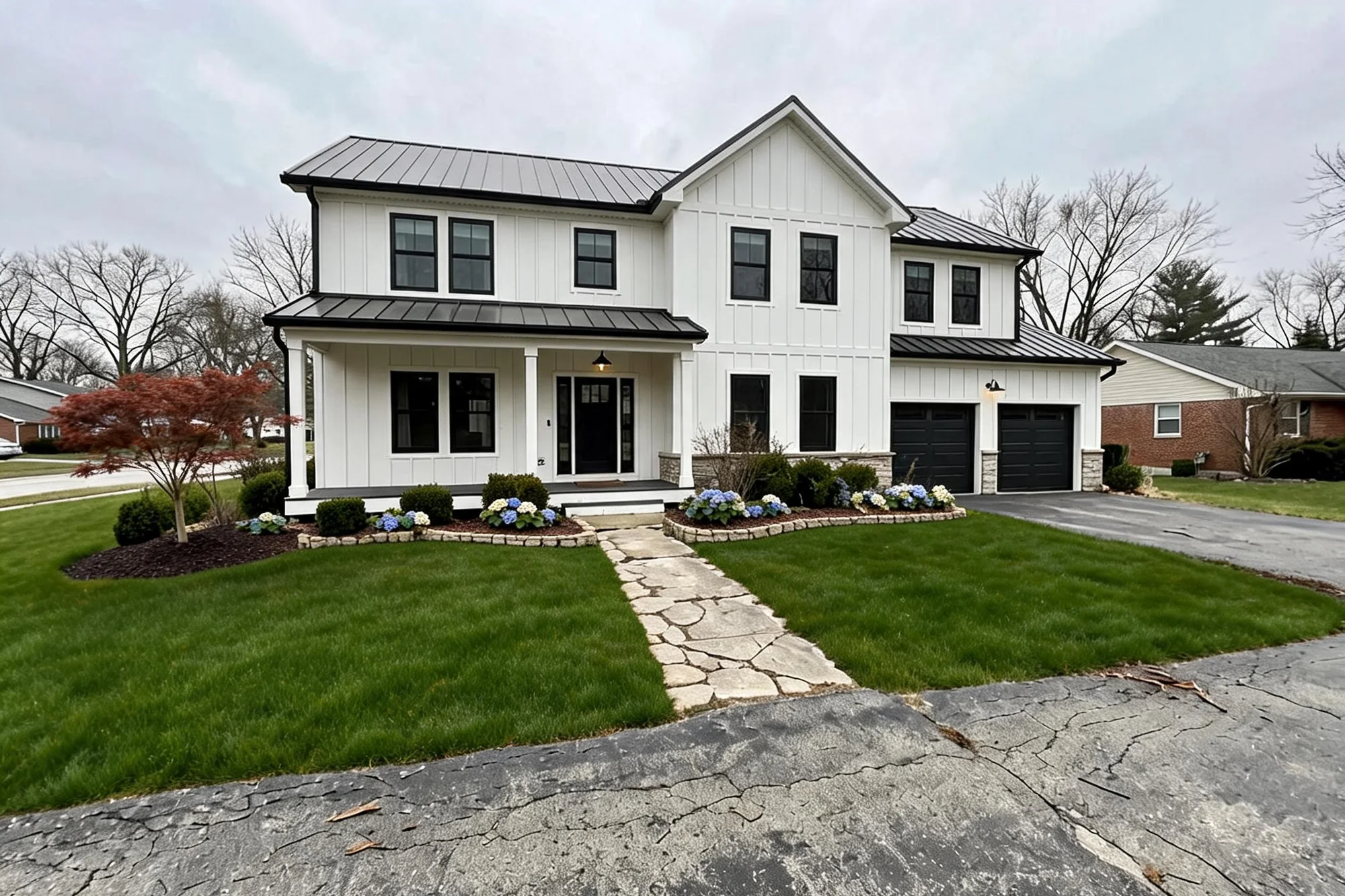
Curb appeal is the first thing buyers, neighbours, and you see — and most of it comes from the front yard, not the house itself. The good news: the highest-impact moves are also the cheapest. Here are ten upgrades, roughly in order of return on effort, each one you can preview on your own home before spending a dollar.
1. Edge the beds and refresh the mulch
This is the highest return per dollar in all of landscaping. A crisp, spade-cut edge and a layer of fresh dark mulch instantly make a front yard read as cared-for — HGTV rounds up dozens of curb-appeal moves for under $100, and this is the one to do first. A weekend of work, minimal cost.
2. Right-size your foundation plantings
The single fastest way to date a home is foundation shrubs that have grown too big and started swallowing the windows — garden designers call overgrown foundation plantings an instant giveaway. Cut them back hard, or replace them with plants scaled to frame the house rather than hide it.
3. Define the front walkway
A clear, well-made path in bluestone, brick, or stamped concrete signals quality before anyone reaches the door. You don't always need a new one — re-laying an existing path with cleaner materials or a crisp border lifts the whole facade.
4. Layer mixed plantings for movement
Modern front yards skip the flat row of identical bushes in favour of layered, mixed plantings — ornamental grasses, perennials, and smaller shrubs combined for texture and movement. Layer by height so the beds have depth when you look from the street.
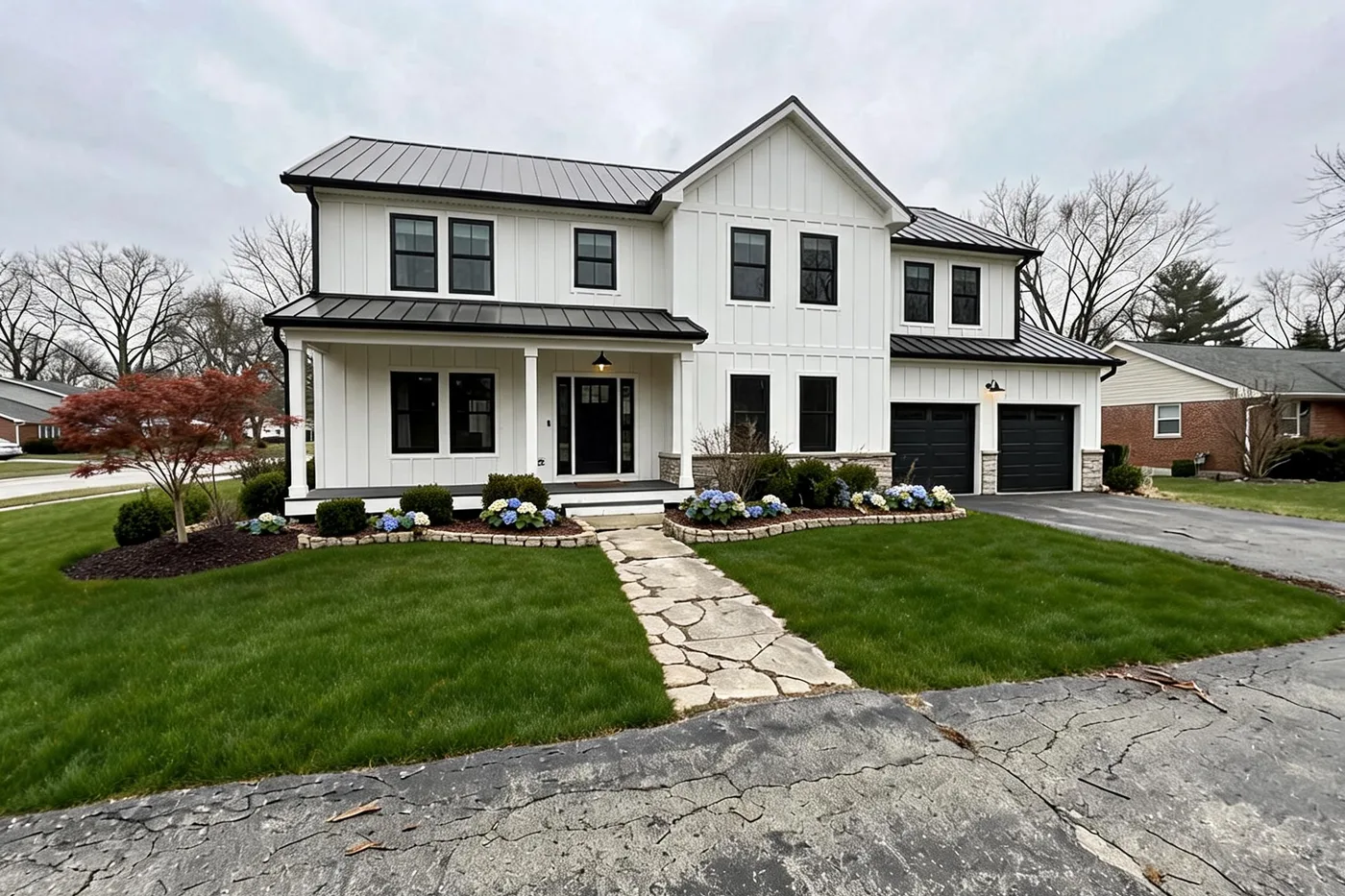
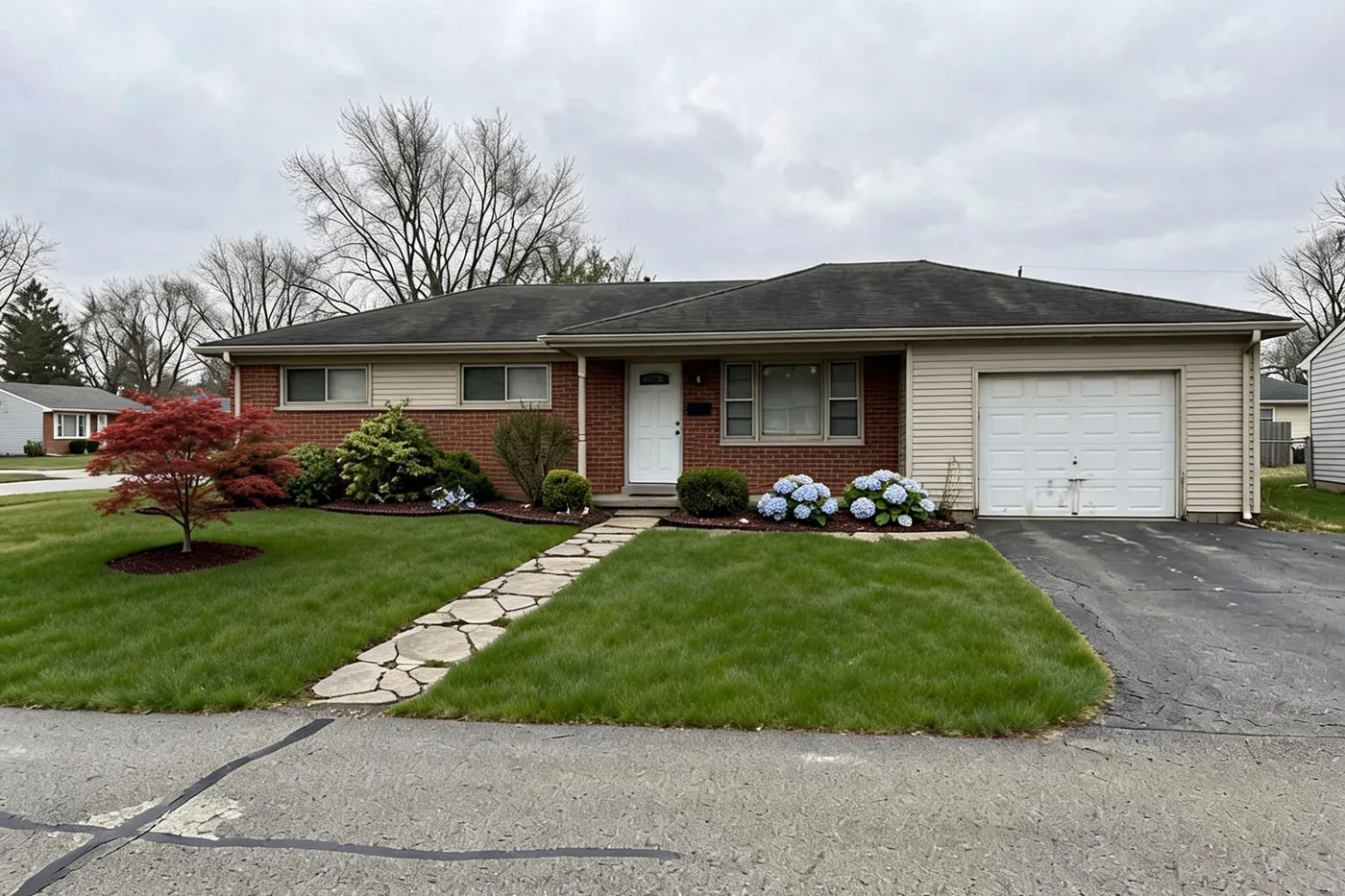
5. Add seasonal colour you can see from the street
A few deliberate blocks of colour — bulbs, perennials, or seasonal annuals in the beds and at the entry — keep the yard from going flat across the year. Place them where they read from the curb, not tucked around the side where only you see them.
6. Put big containers at the entry
A matched pair of large containers frames the front door and is the easiest seasonal refresh you'll ever do — swap the planting, keep the pot. Start at about 16 inches in diameter and go larger if the house can carry it; small pots disappear from the street.
7. Give the yard one clear focal point
A single statement — a specimen tree, a sculptural planter, a small water feature — guides the eye and gives the yard personality. One focal point reads as intentional; five competing ones read as busy. Choose one and let the rest support it.
8. Light it for after dark
Low-voltage landscape lighting doubles the hours your curb appeal works. Uplight a signature tree, run path lights along the walkway, and put warm light at the front door. Beyond looks, a softly lit front yard reads as well-kept and welcoming.
9. Tidy — or shrink — the lawn
A healthy, edged lawn is table stakes, but you don't need a lot of it. Trading some turf for beds or ground cover cuts maintenance and looks more current: clean lines and open, intentional space are the direction front yards are moving in 2026.
10. Pull it together at the entry
Everything above adds up at the door: a clear path, a little symmetry, a specimen tree or a pair of containers, and a tidy transition from public sidewalk to private entry. The entry is where curb appeal is won or lost.
Start with the moves that pay off
You don't have to do all ten. Start at the top of this list — edging, mulch, and right-sizing overgrown shrubs cost the least and change the most. And it's worth doing well: well-designed landscaping is widely reported to lift home value by roughly 5–15% and shorten time on market when you sell.
Because curb appeal lives or dies on how it looks, the smartest first step is to see it. Upload one photo of your front yard and preview any of these ideas on your actual home — the house, driveway, and property lines stay exactly as they are, only the landscape changes.
Planning a bigger project than a weekend refresh? See what landscaping costs in 2026 and whether a designer is worth it before you commit.