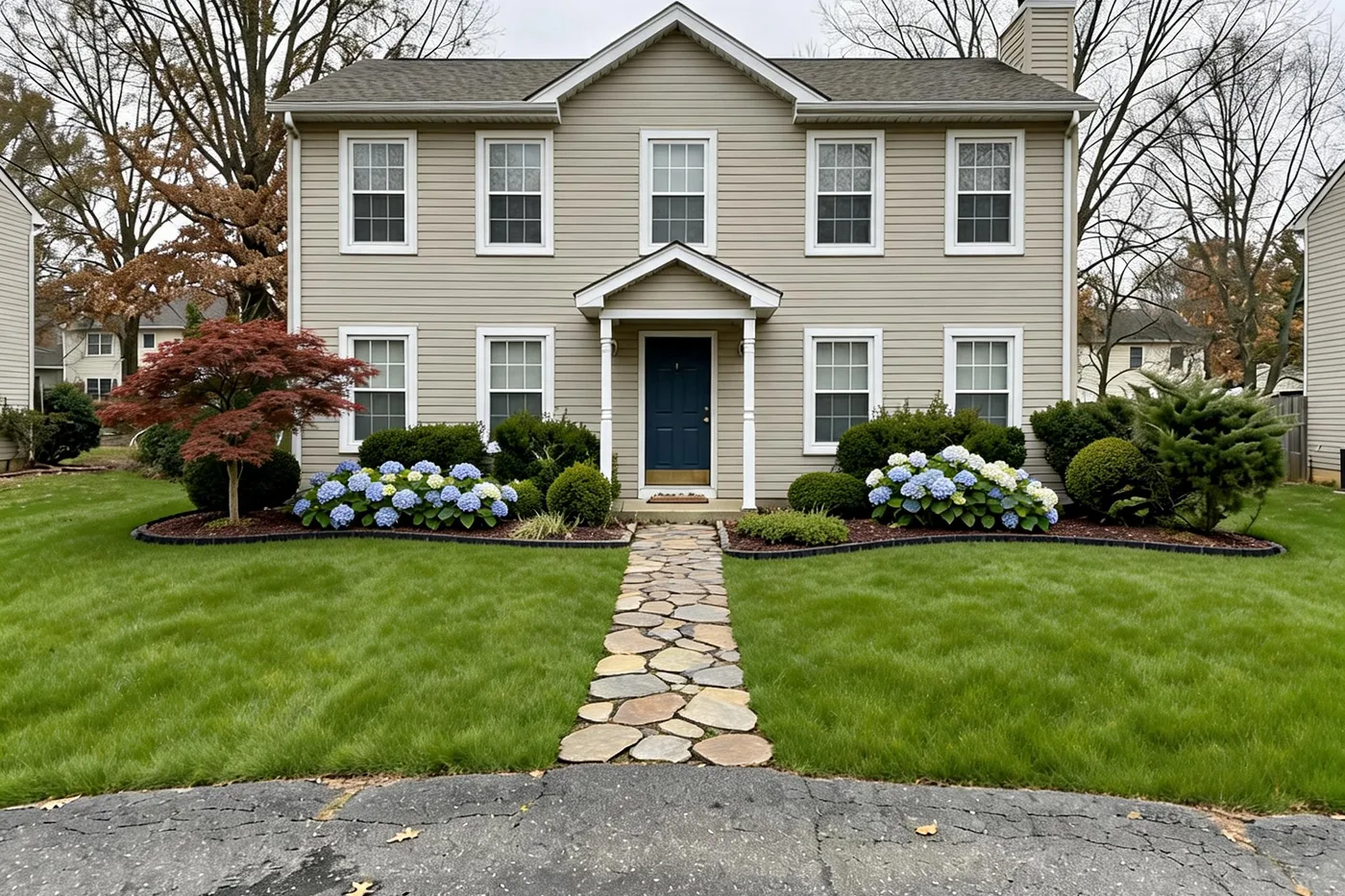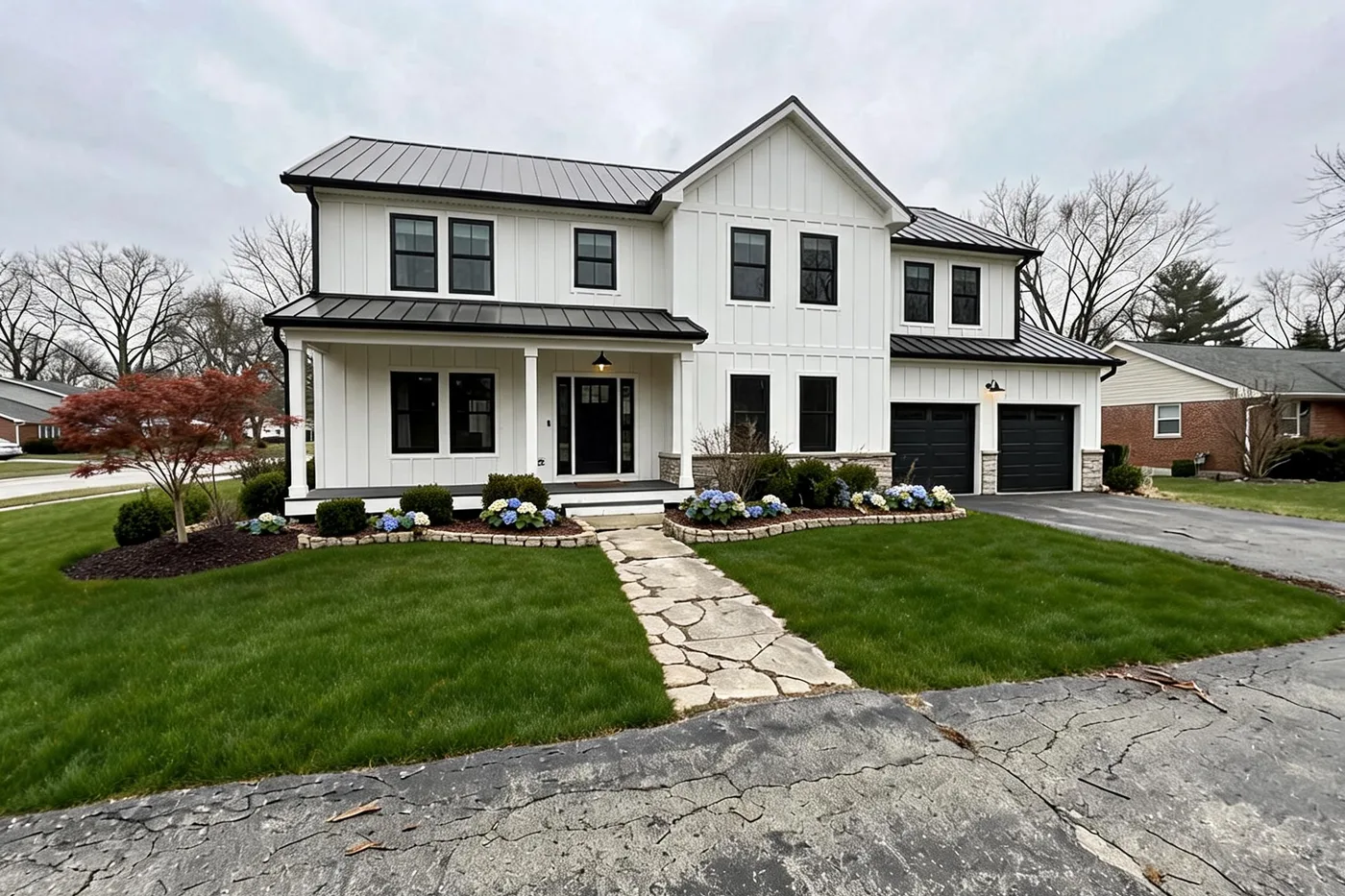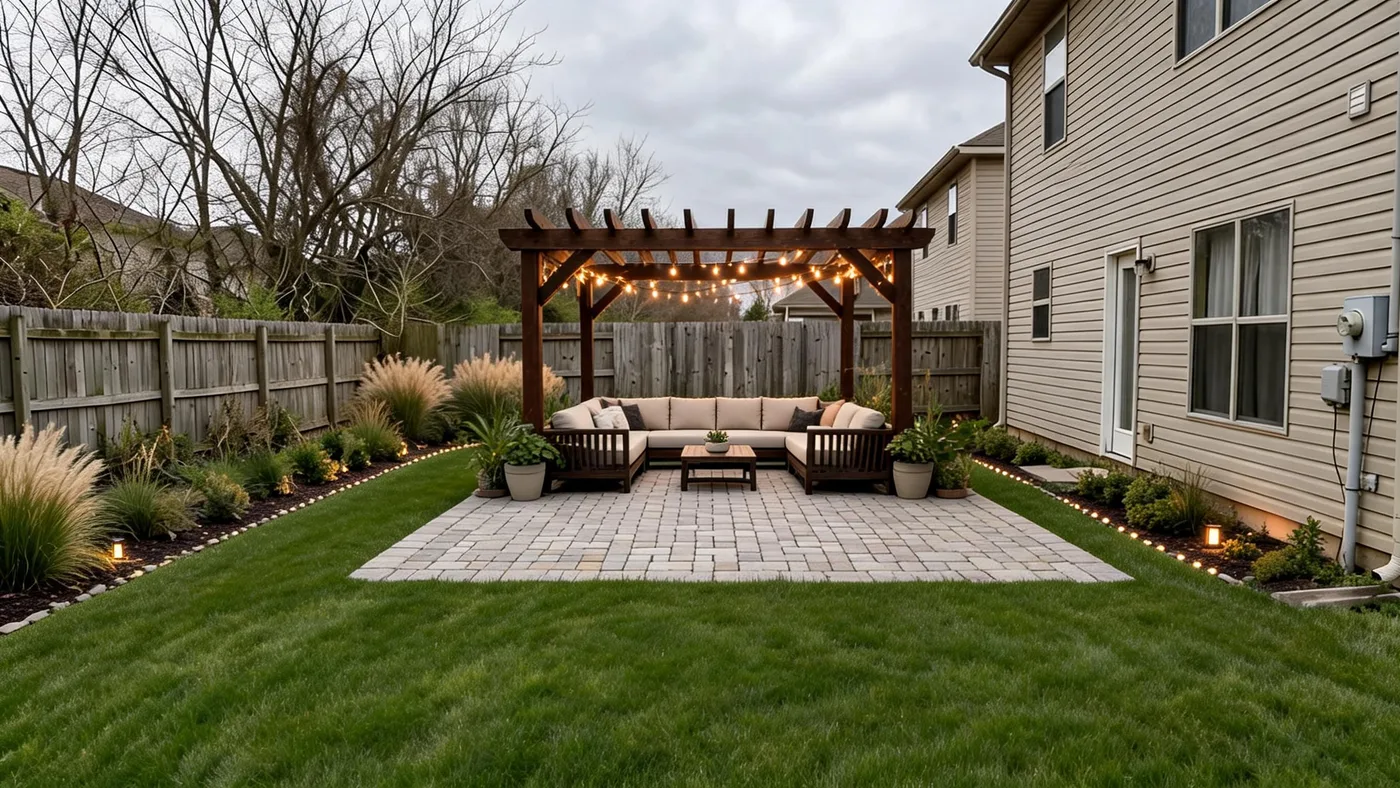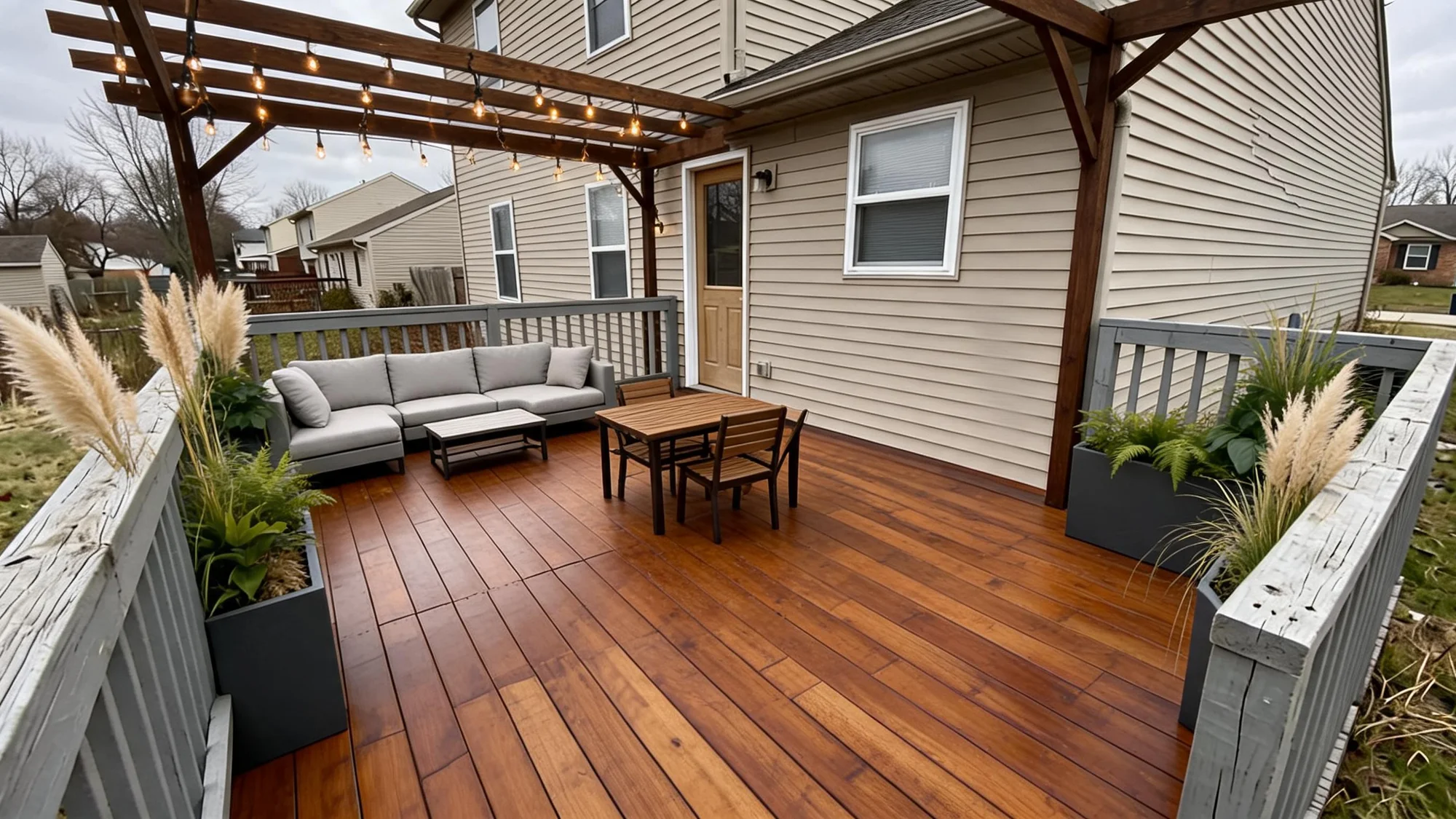
Landscaping costs swing wildly because "landscaping" covers everything from a weekend of mulch to a full backyard rebuild. This guide breaks down the real 2026 numbers — by yard size, by project, and per square foot — shows where the money actually goes, and lists eight ways to spend less without cutting corners.
The short answer: average landscaping cost in 2026
Per Angi's 2026 data, the average US landscaping project costs about $8,500, with most homeowners spending between $4,500 and $22,500 and a median near $9,000. The range is wide on purpose — the same-size yard can cost triple depending on how much hardscape you add.
| Snapshot | Typical 2026 cost |
|---|---|
| Average project | ~$8,500 |
| Most homeowners spend | $4,500–$22,500 |
| Front yard | $1,500–$5,000 |
| Full backyard renovation | $15,000–$50,000 |
| Design plan only | $300–$6,000+ |
| Per square foot, installed | $4–$20 |
The rest of this guide explains what moves you within that range.
Landscaping cost by yard size
The single biggest factor is how much ground you're covering. Rough 2026 ranges for a meaningful refresh, per HomeGuide and industry cost data:
| Yard size | Approx. area | Typical cost |
|---|---|---|
| Small | 200–500 sq ft | $900–$6,000 |
| Medium | ~1,000 sq ft | $4,500–$12,000 |
| Large | 2,000+ sq ft | $9,000–$24,000+ |
| Quarter acre | ~10,890 sq ft | $12,000–$28,000 (refresh) · $40,000–$80,000 (full design-build) |
Small yards stay affordable because they're mostly planting. Once a project adds hardscape, lighting, and irrigation across a large lot, it moves into the top of the range fast.
Landscaping cost by project
Most budgets are really a stack of individual projects. Here's what the common ones run in 2026 (installed), drawn from HomeGuide and LawnStarter cost data:
| Project | Typical 2026 cost |
|---|---|
| Paver patio | $8–$24/sq ft · ~$1,600–$5,000 for 200 sq ft |
| Retaining wall | $15–$40/sq ft for concrete block · $35–$65/sq ft across all wall types |
| Sod (new lawn) | $1–$2/sq ft · $2,500–$7,500 for 5,000 sq ft |
| Sprinkler / irrigation system | $3,000–$10,000 ($1.50–$3/sq ft) |
| Large specimen tree | $500–$2,500 each, installed |
| Mulch, beds & planting | Low end of any project — often DIY-friendly |
The retaining-wall row carries two numbers because the headline average blends in wall types most homes never use: HomeGuide puts cantilevered walls at $40–$80/sq ft and anchored walls at $50–$150, while the concrete-block wall it calls the most popular residential choice runs $15–$40/sq ft. Walls are also priced by the area of the wall face — height × length — not by yard size, so a 3 ft × 70 ft wall is 210 sq ft of face however small the yard is. Quotes vary by source: LawnStarter's ranges for the same wall types run lower, so treat any single figure as a starting point and get local numbers.
Two takeaways: hardscape and water carry the cost (a patio, wall, or irrigation system can outweigh all the planting combined), and planting is where DIY saves the most.
What each budget actually buys
Ranges stay abstract until you know what a number gets you. Roughly:
| Budget | What it typically covers |
|---|---|
| Under $5,000 | A refresh — new beds, mulch, planting, clean edges, maybe a short path. Classic front-yard curb appeal. |
| $5,000–$15,000 | A real project — planting plus some hardscape (a small patio or walkway), and often lighting. |
| $15,000–$30,000+ | A full backyard — patio or deck, grading or a wall, irrigation, and larger planting. |
The jump between tiers is almost always hardscape: adding a patio, a wall, or an irrigation system is what pushes a project from one bracket to the next.
Cost per square foot: softscape vs hardscape
A useful rule of thumb is $4–$20 per square foot installed, and the spread comes down to the mix:
- Softscape — lawn, plants, mulch, beds: about $4–$8/sq ft, the affordable end.
- Hardscape — patio, walls, driveway, decking: about $15–$30/sq ft and up, the expensive end.
Most real yards blend the two, which lands a balanced job around $8–$12/sq ft. If a quote comes in far above that, hardscape is usually why.
Design vs installation — two separate costs
This trips people up. A design (the plan and plant selections) is separate from installation (the build). Design alone runs $300 to $6,000+, or $50–$150 an hour. Installation is usually the much larger number.
Whether the design fee is worth paying depends on how complex your yard is — landscape designer vs DIY walks through that call in detail.
Where the money actually goes
Two line items dominate almost every quote:
- Labor can be up to 80% of the total. That's why the same materials cost wildly different amounts depending on how much digging, grading, and hauling a project needs.
- Hardscape often eats 40–60% of the budget even when it covers less than a third of the yard's area.
On top of those, region (labor rates vary by metro), site conditions (slope, drainage, access, poor soil), and material grade all push the number up or down. If you're trying to control cost, the biggest levers are reducing hardscape and doing the softscape yourself.
How to read a landscaping quote
A few checks before you sign — and before you assume a quote is fair:
- Ask for itemization. One lump sum hides where the money goes. A breakdown — design, materials, labor, each hardscape element — lets you compare bids and trim scope if you need to.
- Sanity-check the labor share. Labor is normally the biggest line; a quote that's mostly materials with little labor may be underscoping the work, and the change orders show up later.
- Expect hardscape to dominate. If the number is high, a patio, wall, or driveway is usually why — not the plants.
- Get two or three quotes, and hand each one the same clear target so they're pricing the same thing. This is where seeing the design first pays off twice: you know exactly what you want, and the bids come back comparable.
8 ways to save on landscaping
You don't have to cut quality to cut cost. NerdWallet and other 2026 guides converge on these:
- Plan before you build. Overspending almost always traces back to buying materials or labor without a clear plan.
- Choose native or drought-tolerant plants. They need less water, fertilizer, and replacement — cheaper to keep alive.
- Seed instead of sod where you can wait. Seeding is far cheaper than laying sod, just slower.
- Source reclaimed materials. Leftover pavers, stone, and bricks turn up free or cheap on local marketplaces.
- Get free mulch. Many cities give away wood chips; shredded leaves work too.
- Reduce lawn area. Swapping thirsty turf for ground covers, gravel, or beds cuts both install and long-term maintenance cost.
- Use lower-cost hardscape — gravel instead of cut stone for paths and furniture pads.
- Phase the project. Build the plan in stages over a couple of seasons instead of all at once.
The most expensive mistake — and how to avoid it
Notice what isn't on the savings list: "buy cheaper plants." The biggest hit to a landscaping budget isn't the price of materials. It's paying to build the wrong thing — installing a patio, planting a bed, or laying hardscape, then deciding it looks wrong. Redoing physical work is where budgets truly blow up, and no coupon fixes it.
That's the one mistake a preview removes. Upload a photo, see your yard redesigned in seconds, and commit money only once you actually like what you're looking at. The redesign is the landscape, not the house.
Whatever your budget, start by seeing the result. It turns every number in this guide from a gamble into a plan.